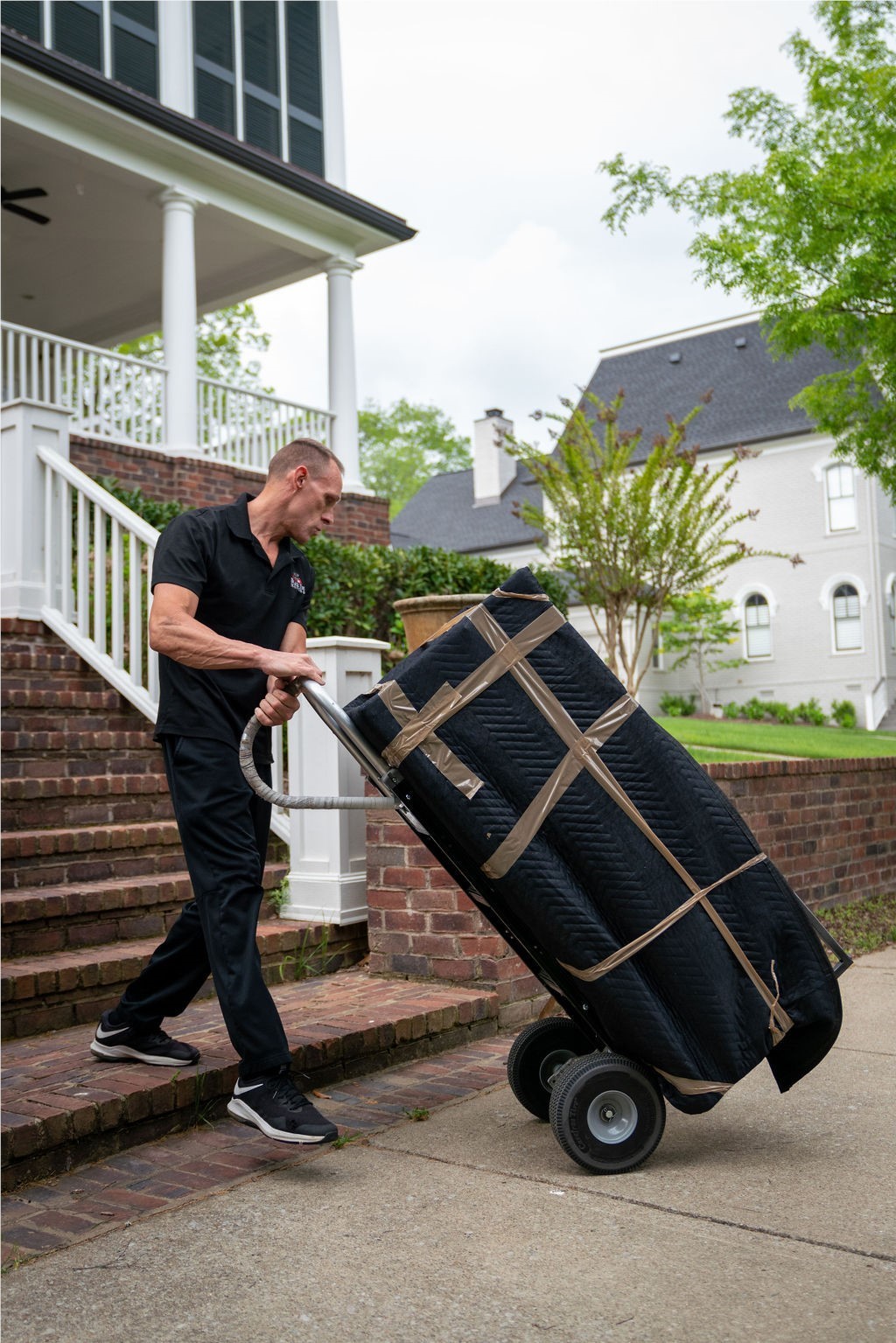
Packing is one of the most important parts of any move, and winter weather adds challenges that should not be overlooked. Cold temperatures, moisture, and condensation can all put your belongings at risk if they are not packed properly. As a professional local moving company, we help customers prepare for winter moves by using the right materials and methods to protect items from the elements.
Winter packing is not just about staying organized. It is about preventing damage caused by freezing air, wet surfaces, and sudden temperature changes. With a thoughtful plan and the right supplies, you can safeguard your belongings and reduce stress on moving day.
Should You Pack Differently for a Winter Move?
Yes, winter moves require a different approach than moves in warmer months. Cold air can make certain items brittle, while snow and ice introduce moisture risks. Packing for winter means focusing on insulation, waterproof protection, and careful handling of sensitive belongings.
Electronics, wood furniture, artwork, and liquids are especially vulnerable in cold conditions. Taking extra precautions helps prevent cracking, warping, and internal damage. Professional movers adjust their packing strategies during winter to account for these risks and keep items protected from start to finish.
Best Packing Materials for Winter Moves
Using the right packing supplies is essential when temperatures drop. Standard boxes alone are not always enough to protect items from cold air and moisture. Winter packing materials help create an extra layer of defense during loading, transport, and unloading.
Here are some of the most effective packing materials for winter moves:
Insulated moving blankets for furniture and electronics
Plastic wrap or waterproof covers to block moisture
Heavy duty boxes for fragile or valuable items
Bubble wrap and padding for added insulation
Floor runners and protective mats for entryways
These materials help maintain item integrity while also protecting floors and carpets from snow and slush during the move.
Room by Room Winter Packing Tips
Each room in your home presents different winter packing challenges. In kitchens, liquids such as cleaning supplies, cooking oils, and beverages should be sealed tightly or transported separately to prevent freezing and leaks. Bathrooms require similar care with toiletries and cosmetics that can crack or burst in cold temperatures.
Living rooms and bedrooms often contain electronics, wood furniture, and decorative items. These should be wrapped with padded blankets and plastic protection to prevent condensation. Garages and storage areas may contain tools, paints, or chemicals that should never be exposed to freezing temperatures and are best moved with extra care or kept in a temperature controlled environment.
Items to Transport in Your Own Vehicle
Some belongings are better kept with you during a winter move. Important documents, laptops, medications, and irreplaceable valuables should travel in your personal vehicle whenever possible. This allows you to control temperature and reduce the risk of exposure to cold air.
Houseplants are another item that should be transported separately. Even brief exposure to freezing temperatures can cause permanent damage. Keeping these items warm and secure helps ensure they arrive safely at your new home.
How Our Crews Protect Floors and Belongings in Winter
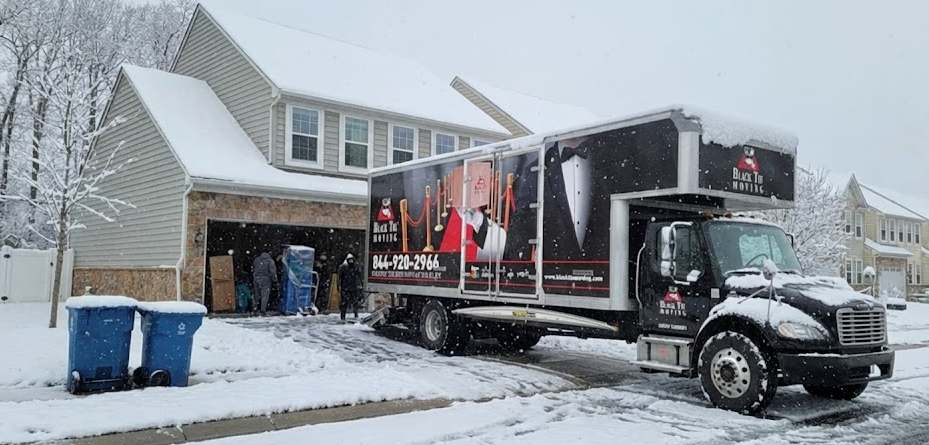
Winter moves require extra attention to indoor spaces. Our crews use protective floor coverings, entryway mats, and padding to prevent moisture and dirt from spreading through your home. These steps protect carpets, hardwood floors, and tile surfaces from snow and ice.
We also manage temperature transitions carefully by minimizing the time doors remain open and staging items efficiently. This approach helps protect both your belongings and your home during cold weather moves.
Winter Packing FAQ
How do I protect electronics and furniture in cold weather?
Electronics and furniture should be wrapped in insulated blankets and plastic protection to prevent moisture and temperature shock. Allow electronics time to reach room temperature before plugging them in after the move.
Should I pack differently for winter moving?
Yes, winter packing focuses more on insulation and waterproofing. Certain items should be packed separately or transported in a personal vehicle to avoid damage from freezing temperatures.
Upgrade Your Move With Professional Packing Services
Packing for a winter move takes extra planning, materials, and care. With professional packing services, you can feel confident knowing your belongings are protected against cold, moisture, and handling risks. We use proven winter packing techniques to safeguard your items every step of the way.
Upgrade your move with professional packing services and enjoy peace of mind during your winter relocation. Contact Black Tie Moving today to learn how we can help protect your belongings and make your move easier.
Tags
Subscribe to Black Tie Moving's Blog





Comments